Introduction: A Heritage Beyond Generations

✍️ Pemba Gelu Sherpa,
Belgium
Belgium
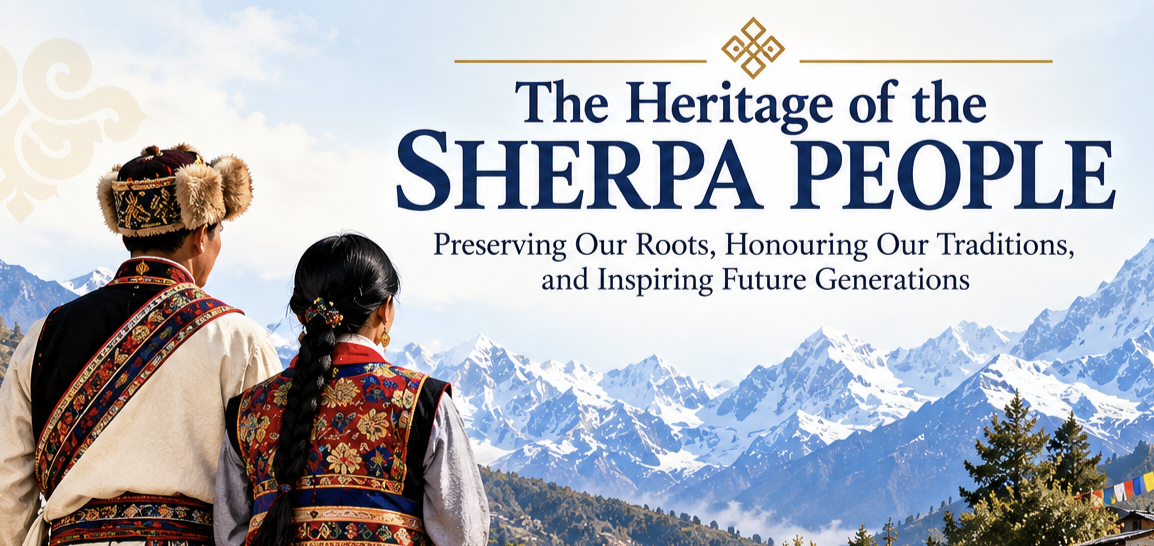
The heritage of the Sherpa people is a living expression of ancestral wisdom, spiritual devotion, family relationships, and collective identity. Rooted in the Himalayan region, Sherpa culture has been shaped over generations by religious beliefs, traditional customs, close-knit communities, and a profound respect for family and ancestry.
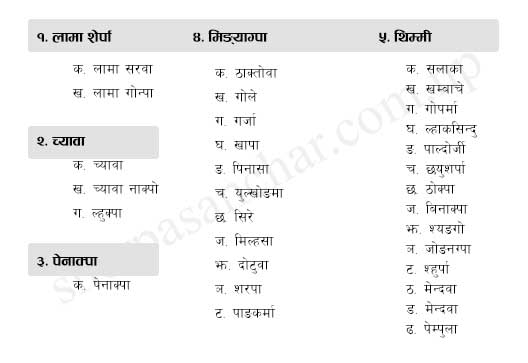
Sherpa heritage encompasses far more than language, dress, festivals, and religious ceremonies. It is also reflected in the ancestral surname system known as Thar, the customs surrounding the birth of a child, the responsibilities associated with family lineage, and the traditional procedures governing marriage.
These traditions connect individuals to their ancestors, families to their communities, and younger generations to the cultural knowledge passed down by their forebears. Understanding and preserving them is therefore essential to maintaining the historical continuity and cultural identity of the Sherpa people in an increasingly interconnected world.
1. The Sherpa Thar System: The Foundation of Ancestral Identity
One of the significant features of Sherpa social and cultural organisation is the traditional Thar, or ancestral surname and lineage system. Within Sherpa society, a Thar is not merely a name used to identify an individual. It also represents ancestral connections, family history, kinship relationships, and a sense of belonging to a wider community.
Traditionally, Sherpa surnames are transmitted through the paternal line, connecting successive generations through a recognised family lineage. Knowledge of one’s Thar helps individuals understand their ancestral background and their relationship with other families within the community.
The traditional system also establishes important social responsibilities. Knowledge of one’s ancestry is particularly significant in marriage, where established customs restrict unions between people belonging to the same Thar and between certain close maternal relatives.
These practices reflect a longstanding cultural emphasis on kinship awareness, family relationships, and social responsibility. They demonstrate how ancestral knowledge has historically contributed to the organisation of Sherpa society.
However, the general surname “Sherpa” should not be confused with an individual’s specific ancestral Thar. While “Sherpa” identifies a broader ethnic and cultural community, the particular Thar provides a more specific connection to family lineage.
Preserving this distinction is important for documenting family histories and ensuring that future generations understand the richness and diversity of their ancestral heritage.
2. Birth Rituals: Welcoming New Life with Faith and Blessings
The birth of a child is a moment of profound happiness and significance in Sherpa culture. Traditional birth-related ceremonies express gratitude, seek spiritual protection, and welcome the newborn into the family and community.
As described in Heritage of Sherpa, one important ceremony is Thu, the traditional naming and purification ceremony. It is commonly performed a few days after birth, with the timing and procedures depending on family and local customs.
A lama is traditionally invited to perform the necessary religious rituals. Through prayers, purification practices, and offerings, the family seeks blessings for the wellbeing of the mother and child, as well as peace, prosperity, and harmony within the household.
The ritual may involve Sang, a purification ceremony using incense and other sacred materials. Traditional offerings can include grains, dairy products, sweet substances, and other ritual ingredients. These materials are used according to established customs and religious instructions.
The ceremony reflects the belief that welcoming a child involves more than a biological event. It is also a spiritual and communal occasion in which the family seeks auspicious beginnings for the newborn’s life.
The Significance of Naming
In traditional Sherpa practice, a child’s name may be selected with reference to the day of the week on which the child was born, together with religious guidance and auspicious considerations.
The book records traditional naming conventions associated with the days of the week. These naming practices form part of the community’s cultural memory and demonstrate the close relationship between family life, religious observance, and traditional knowledge.
A name can therefore carry significance beyond personal identification. It may reflect family expectations, cultural continuity, spiritual aspirations, and the hope that the child will enjoy a long, peaceful, and prosperous life.
As Sherpa families increasingly live outside their ancestral regions, maintaining knowledge of traditional naming practices has become an important part of cultural preservation.
3. Community Participation and the Tradition of Godar
Another important custom described in the book is Godar, a social tradition through which relatives, neighbours, and well-wishers visit the home of a family that has recently welcomed a child.
Visitors congratulate the parents, welcome the newborn, and offer gifts such as clothing, money, and other useful items. They also express wishes for the child’s health, longevity, happiness, and prosperity.
The mother receives attention and support during this important period, while the wider family and community share in the joy of the birth.
In some communities, particular practices and symbolic offerings are associated with protection and auspicious beginnings. The precise customs may vary according to locality, family tradition, and religious practice.
Godar illustrates the importance of collective responsibility within Sherpa society. The arrival of a child is not regarded solely as a private family event; it is also an opportunity to strengthen relationships among relatives and community members.
In contemporary society, where families may live far apart, preserving the spirit of Godar can help sustain social connections and ensure that important cultural traditions remain meaningful.
4. Sherpa Marriage Traditions: Family, Compatibility, and Social Responsibility
Marriage is another important institution through which Sherpa cultural traditions are expressed and transmitted. Traditional Sherpa marriage customs involve more than the union of two individuals. They bring together families, establish new relationships between communities, and reaffirm social responsibilities.
As documented in Heritage of Sherpa, traditional marriage procedures may include several stages, each with its own cultural significance.
Thar and Kinship Considerations
Before marriage arrangements proceed, families traditionally consider the ancestral lineage and kinship relationship of the prospective couple.
Marriage within the same Thar is traditionally prohibited, as are certain marriages between close maternal relatives. Other combinations of surnames may be regarded as acceptable under traditional customs.
These rules highlight the importance historically attached to ancestral knowledge and kinship relationships in Sherpa society.
Today, such traditions can be documented and discussed alongside contemporary legal requirements, individual choice, and scientific understanding of genetic relationships. Cultural preservation is most meaningful when traditional knowledge is recorded accurately and interpreted responsibly.
Ti-jyang: The Initial Marriage Discussion
The book describes Ti-Jyang as an initial stage in which representatives or relatives of the prospective groom approach the bride’s family to discuss the possibility of marriage.
During this process, the families exchange information and consider traditional compatibility requirements. The discussions provide an opportunity to establish mutual understanding and determine whether both families are willing to proceed.
This custom illustrates the importance traditionally placed on respectful communication and family participation in marriage arrangements.
Long-Jyang: The Formal Marriage Proposal
Following the initial discussions and acceptance of the proposal, the next stage is known as Long-Jyang.
Traditionally, representatives of the groom’s family visit the bride’s household with customary gifts and offerings. These may include food, drinks, and other items appropriate to the family and locality.
The formal proposal marks an important step towards establishing an agreement between the two families. It demonstrates respect, hospitality, and the seriousness with which the proposed marriage is approached.
Dem-Jyang: Further Formalisation
The book also describes Dem-Jyang, a subsequent stage in the traditional marriage process. During this stage, customary offerings and provisions are taken to the bride’s family.
The quantities and arrangements may depend on local customs, the agreement between the families, and the practical circumstances of the marriage.
Together, these stages demonstrate that traditional Sherpa marriage procedures are structured processes involving consultation, agreement, hospitality, and the development of relationships between families.
Pe-Chyang: Community Consultation
Another practice described in the book is Pe-Chyang, through which the families and relatives of the prospective couple consult members of their respective communities.
Such consultations provide an opportunity to discuss the arrangements and responsibilities associated with the forthcoming marriage. In traditional settings, meals may be offered to community members participating in these discussions.
The custom reflects the importance of collective participation and community relationships in traditional Sherpa social life.
5. The Wedding Ceremony: Faith, Symbols, and Celebration
Once the marriage date has been agreed upon, invitations are extended to relatives, friends, well-wishers, and other members of the community.
Religious observances play an important role in the wedding ceremony. A lama may perform Sang and Serkyem rituals, seeking blessings for the couple and their families.
The book describes the use of traditional objects and symbolic materials during the wedding procession. These may include ceremonial swords, ritual vessels, traditional clothing, and other culturally significant items.
The Role of the Lama and Religious Rituals
The lama’s participation helps connect the marriage ceremony with the family’s religious beliefs and spiritual aspirations. Through prayers and prescribed rituals, the families seek protection, auspicious circumstances, and harmony for the newly married couple.
The exact ceremonies and their sequence may vary between families and local traditions. Nevertheless, the underlying emphasis on blessings, wellbeing, and the establishment of a harmonious family remains an important feature of the tradition.
Traditional Dress and Cultural Symbols
Traditional Sherpa clothing contributes to the cultural identity of the wedding ceremony. The groom may wear traditional Himalayan attire and carry ceremonial objects associated with the occasion.
The book also describes the use of Bum-pa, a ritual vessel, and other symbolic items during particular stages of the ceremony.
These objects should not be regarded merely as decorations. Within the traditional context, they carry religious, cultural, and historical significance, connecting the wedding celebration with the community’s inherited practices.
Sur-Jyang: Auspicious Beginnings
The book describes Sur-Jyang as a ceremonial practice associated with auspicious beginnings and the departure of the wedding procession.
Offerings and ritual arrangements are prepared at the family home, and customary blessings are sought before the procession begins. In traditional settings, these practices are intended to create an auspicious atmosphere and to express hopes for a safe and harmonious journey.
Along the route, relatives and well-wishers may welcome the procession and offer refreshments. These acts of hospitality reflect the importance of cooperation, generosity, and social connection within Sherpa culture.
Geling: Music and Celebration
Traditional music also plays a significant role in Sherpa weddings. The book describes Geling as a traditional instrument associated with religious and cultural occasions.
Its music accompanies important stages of the wedding celebration, including the preparation and departure of the procession, the arrival at the bride’s home, and the return journey.
The sound of traditional music adds joy to the occasion while reaffirming the community’s cultural identity. Preserving traditional instruments and the knowledge associated with them is therefore an important aspect of safeguarding Sherpa intangible cultural heritage.
Kyalmi : Support During the Wedding.
The book also refers to a designated companion known as Kyalmi, who assists the bride or groom during the wedding proceedings.
This person may help with clothing, ceremonial objects, personal arrangements, and other practical responsibilities.
The tradition illustrates the importance of mutual support during major life events. It also demonstrates how cultural practices distribute responsibilities among relatives and companions, ensuring that the ceremony proceeds in an orderly and respectful manner.
6. Modernisation, Migration, and the Changing Face of Sherpa Culture
In recent decades, education, employment, international migration, and urbanisation have transformed the lives of many Sherpa families.
Sherpas now live in numerous countries, often far from the villages and communities in which their ancestors established their traditions. Children may grow up in multilingual and multicultural environments, while parents balance employment, education, family responsibilities, and cultural expectations.
These changes create practical challenges for the transmission of ancestral knowledge.
Young people may have limited opportunities to learn their specific Thar, understand traditional marriage customs, participate in birth ceremonies, or acquire the language and knowledge associated with their heritage.
The availability of lamas and knowledgeable elders can also be limited when families live abroad. As a result, some families adapt their ceremonies to modern circumstances, including arranging religious guidance remotely or modifying traditional practices to suit the resources available to them.
Such adaptations demonstrate that culture is not static. Traditions can continue to evolve while retaining their underlying significance.
The central challenge is to ensure that adaptation does not lead to the disappearance of essential knowledge or the loss of understanding about why these customs matter.
7. Preserving Sherpa Heritage in the Digital Age
The preservation of Sherpa culture requires coordinated efforts from families, scholars, cultural organisations, religious institutions, and younger generations.
Several practical initiatives could help protect this heritage.
Document Family Histories
Sherpa families should be encouraged to record their ancestral Thar, family trees, oral histories, and important cultural traditions. Such documentation can help younger generations understand their roots and maintain connections with relatives across geographical boundaries.
A reliable digital archive could preserve information about ancestral surnames, birth ceremonies, marriage traditions, traditional clothing, musical instruments, religious practices, and regional variations.
The archive should include written records, photographs, audio recordings, video interviews, and contributions from knowledgeable community members.
Where information is disputed or varies by locality, the archive should record those differences rather than impose a single interpretation without adequate evidence.
Cultural education should be accessible to children and young adults through community workshops, educational publications, storytelling sessions, music programmes, and digital learning resources.
Young Sherpas should be encouraged not only to learn traditional practices but also to contribute their own skills in documenting and sharing them.
Support Sherpa Language and Oral Traditions
Language is an essential carrier of cultural knowledge. Supporting Sherpa language education, oral storytelling, traditional terminology, and intergenerational communication can help ensure that cultural meanings are not lost through translation or changing patterns of language use.
Sherpa cultural organisations should collaborate with historians, anthropologists, linguists, religious scholars, and other researchers to document the community’s heritage.
Such research should respect community knowledge, recognise regional differences, and distinguish historical evidence from religious beliefs and oral traditions.
Traditions are most likely to remain alive when people continue to practise them meaningfully. Families and communities should therefore create opportunities for younger generations to participate in cultural celebrations, ceremonies, music, and other appropriate activities.
Preservation should not mean preventing all change. Rather, it should ensure that changes are made with knowledge, respect, and an understanding of the traditions being adapted.
Conclusion: A Living Legacy for Future Generations
Sherpa heritage is a valuable inheritance built through generations of family relationships, spiritual traditions, social responsibilities, and collective experience.
The Thar system preserves knowledge of ancestral lineage. Birth-related ceremonies welcome new life through blessings and community participation. Traditional marriage customs bring families together through consultation, hospitality, religious observance, and shared responsibility.
Although modernisation and international migration continue to transform Sherpa society, these traditions remain important sources of cultural knowledge and identity.
Preserving them requires more than recording old customs in books. It requires families to share their histories, elders to transmit their knowledge, scholars to document traditions responsibly, organisations to create accessible resources, and young people to participate actively in cultural life.
Above all, preserving Sherpa heritage must be a collective endeavour grounded in respect for ancestors, appreciation of cultural diversity, and responsibility towards future generations.
Our heritage is not simply a record of where we came from. It is a source of understanding, belonging, and inspiration for where we are going.
When we preserve our ancestral knowledge, we strengthen our identity. When we pass on our traditions, we connect generations. And when we work together, we ensure that the heritage of the Sherpa people continues to live, evolve, and inspire the future.

प्रतिक्रिया
सम्बन्धित खवर